
Understanding the major city weather India experiences is crucial for residents and travelers alike. India, a vast subcontinent, boasts an incredibly diverse climate that varies significantly from one region to another. From the bustling metropolis of New Delhi to the coastal charm of Mumbai, each city presents its unique meteorological profile throughout the year. As of Monday at 16:31 UTC+1 (using data from a recent observation in 2026), the weather across these prominent urban centers offers a snapshot into this diversity.
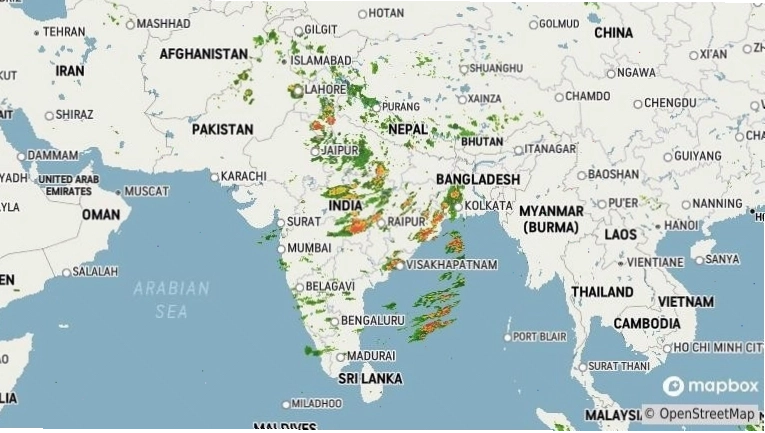
Current Weather Snapshot Across India's Major Cities
As we examine the recent meteorological data, several major urban centers display distinct weather characteristics. This real-time information provides critical insights for daily planning and travel advisories.
North Indian Weather Highlights: Delhi and Jaipur
The capital, New Delhi, reported a temperature of 30°C with fog, feeling like a much warmer 38°C due to humidity or other atmospheric conditions. The forecast for Delhi indicated a range between 29°C and 26°C, with winds blowing from the East at 18 km/h. This foggy condition can often reduce visibility and impact air quality, which is a common concern in the region during certain periods.
Meanwhile, in Jaipur, the 'Pink City', the temperature stood at 33°C. These temperatures reflect the warm conditions often prevalent in northern India, especially outside the peak winter months. Understanding these localized patterns is key to grasping the broader weather india experiences seasonally.

Western and Central Indian Cities: Mumbai, Ahmedabad, Pune, and Surat
On the western coast, Mumbai weather registered 28°C. This coastal city typically experiences humid conditions, often influencing the 'feels like' temperature significantly. Further inland, Ahmedabad recorded 31°C, while Pune, known for its pleasant climate, was at 27°C. Surat also showed a temperature of 30°C. These cities often contend with high humidity, particularly as they approach the monsoon season, making even moderate temperatures feel warmer than they are.
Eastern and Southern India: Kolkata, Chennai, Hyderabad, and Bengaluru
Moving eastward, Kolkata weather was 30°C, consistent with the warm and often humid climate of West Bengal. Down south, Chennai weather was noticeably hotter at 35°C, indicative of the typically higher temperatures experienced in India's southern states. Hyderabad weather was 31°C, and Bengaluru weather, representing Bangalore, enjoyed a milder 24°C, which is characteristic of its elevation and often earns it the moniker 'Garden City' due to its more temperate climate.
Seasonal Weather Patterns Across India
India's climate is predominantly tropical, but its vast geography leads to significant seasonal variations across different regions. Understanding these macro-patterns is essential for anyone planning to visit or reside in the country.
Winter Months: December to February
From December to February, India generally experiences cooler and drier days. This period is widely considered the best time for exploring, as temperatures are mild and rainfall is minimal. Northern regions, including parts of Delhi, can experience cold waves with temperatures dropping significantly, sometimes accompanied by dense fog. Southern regions, however, remain comfortably warm, making them popular winter destinations.
Pre-Monsoon Heat: March to May
As March arrives, temperatures begin to climb across the country, reaching their peak in May. This pre-monsoon period can be intensely hot, particularly in the central and northern plains. Cities like Chennai and Ahmedabad often see temperatures soar, making outdoor activities challenging during the day. This heat frequently precedes the much-anticipated monsoon rains, creating an often oppressive atmosphere.
The Monsoon Season: June to Early September
The monsoon season, from June to early September, brings substantial rain showers across much of the country. This period is vital for India's agriculture but can also lead to widespread flooding, transportation disruptions, and an increase in humidity. Cities like Mumbai, Kolkata, and Bangalore receive significant rainfall. While the rains provide relief from the summer heat, they also usher in a period of high humidity and potential weather-related challenges. For more information, you can always learn more about us and our forecasting methods.
Post-Monsoon Transition: October
By October, the monsoon rains begin to ease up, and the country transitions into a more pleasant post-monsoon phase. The air becomes clearer, and temperatures start to cool down, especially in northern India. This period is often characterized by clear skies and moderate temperatures, making it another favorable time for travel before the onset of winter.
Key Weather Parameters in India
Beyond just temperature, several other weather parameters significantly influence the climate in India's major cities. These factors include humidity, wind speed, and precipitation levels, all of which contribute to the overall felt weather conditions.
| Parameter | Description | Impact on Daily Life |
|---|---|---|
| Temperature | Ranges from 15°C in Ootacamund (Country Low) to 42°C in Raisinghnagar (Country High). | Dictates clothing choices, outdoor activity planning, and energy consumption for cooling/heating. |
| Humidity | Often high in coastal and monsoon-affected regions, contributing to 'feels like' temperatures. | Can make warm days feel hotter, cause discomfort, and increase sweat. |
| Wind Speed | Varies by region and season; New Delhi recorded 18 km/h. Max Wind: 61 km/h in Karur. | Affects comfort, can exacerbate heat or cold, influences air quality by dispersing pollutants. |
| Precipitation | Dominantly influenced by the annual monsoon, leading to distinct wet and dry seasons. | Essential for agriculture, but can cause flooding, impact travel, and outdoor events. |

Navigating India's Diverse Climates with Preparation
India's weather is as diverse as its culture, presenting a wide range of conditions that necessitate careful consideration. Whether you are experiencing the dense fog of Delhi, the coastal humidity of Mumbai, or the mild climate of Bengaluru, being prepared is key. Always check the local forecast before traveling and pack accordingly to ensure a comfortable and safe experience. Understanding these intricate weather patterns not only aids in personal planning but also offers a deeper appreciation for the subcontinent's complex natural systems.